Works alongside

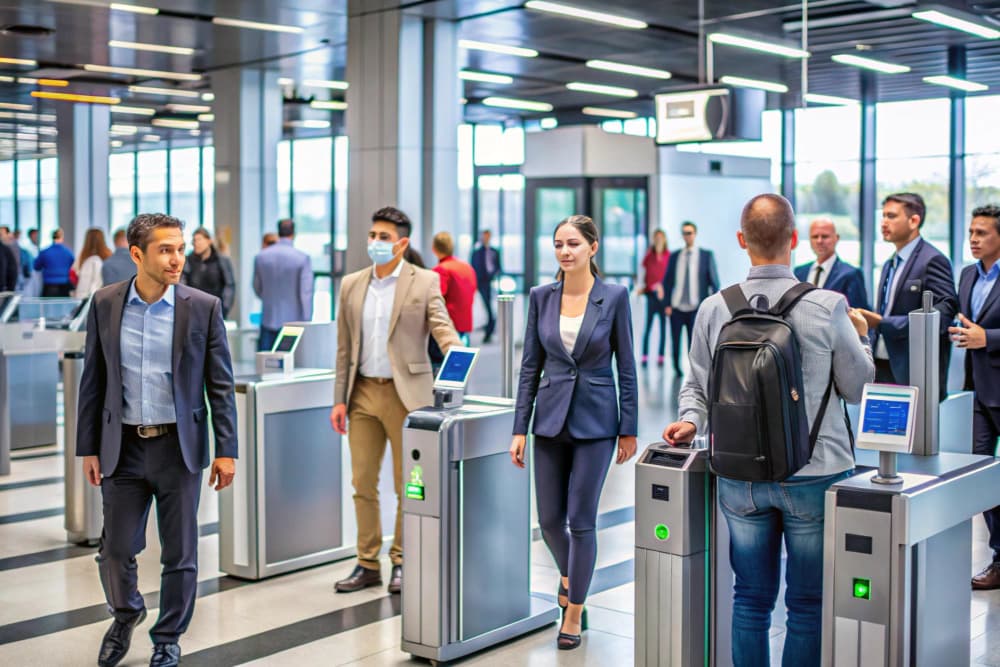
Smart Queue Management System
SQMS, the second patent filed in the TAT Guard family, replaces first-come-first-served chaos with AI-driven smart FIFO: every inbound…
View →
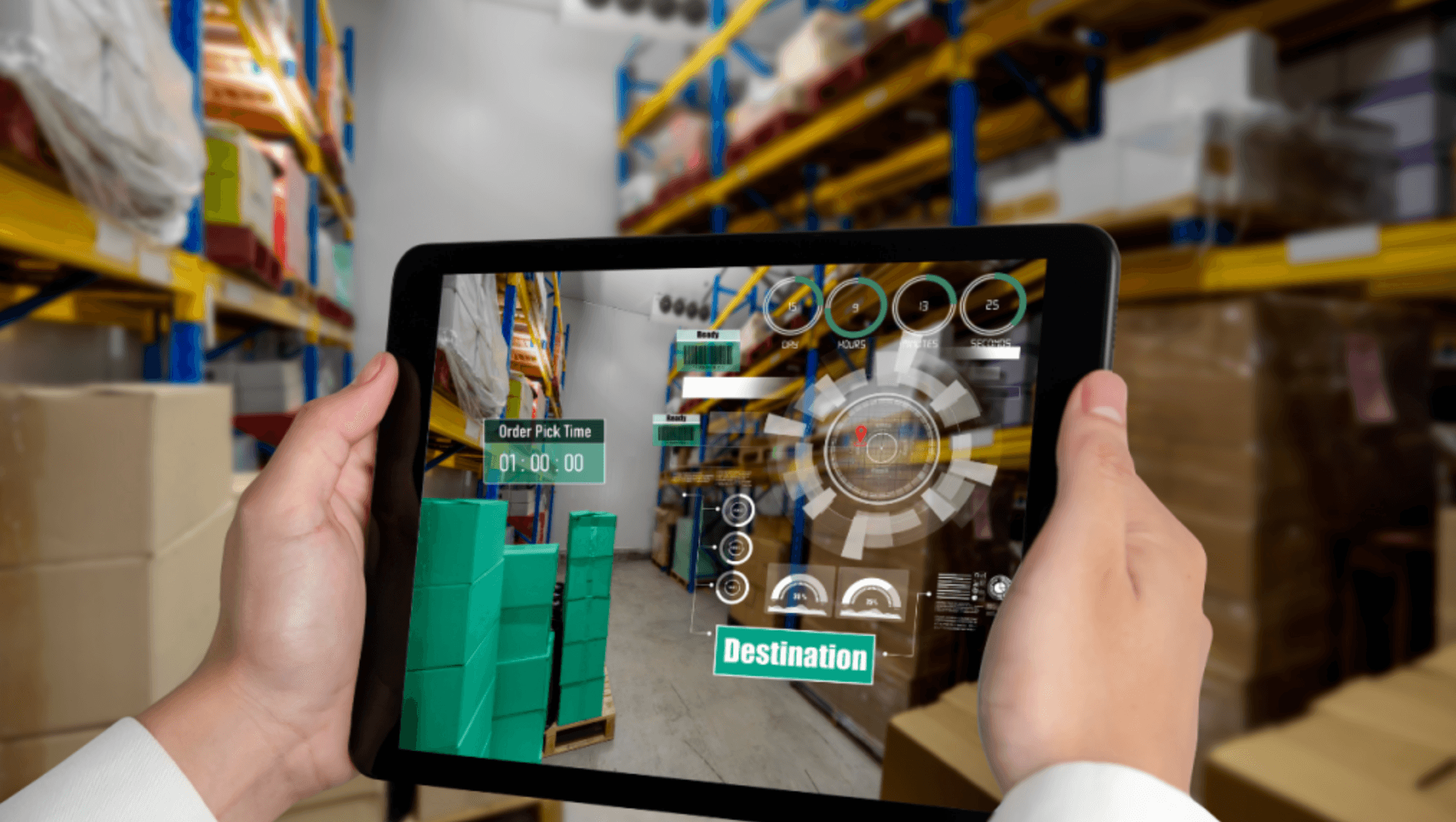
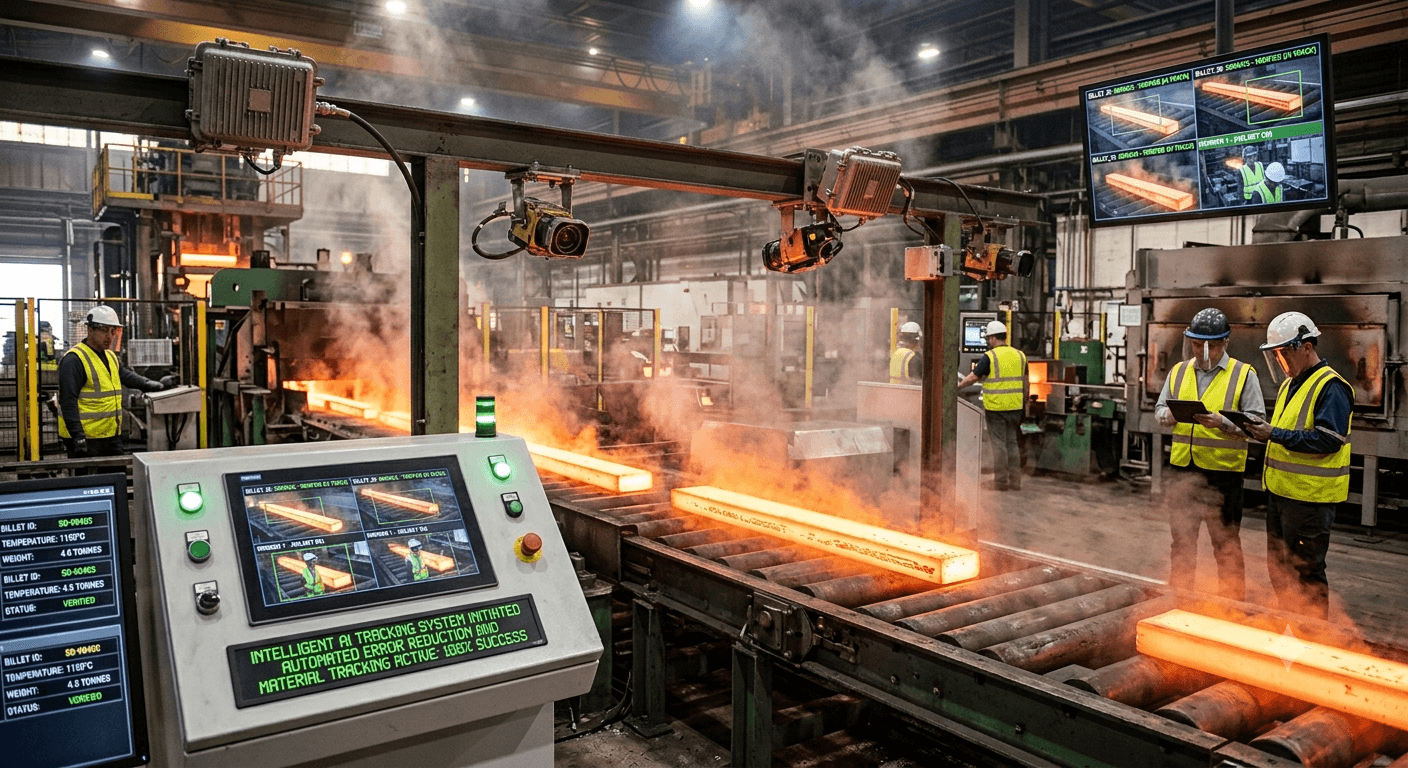
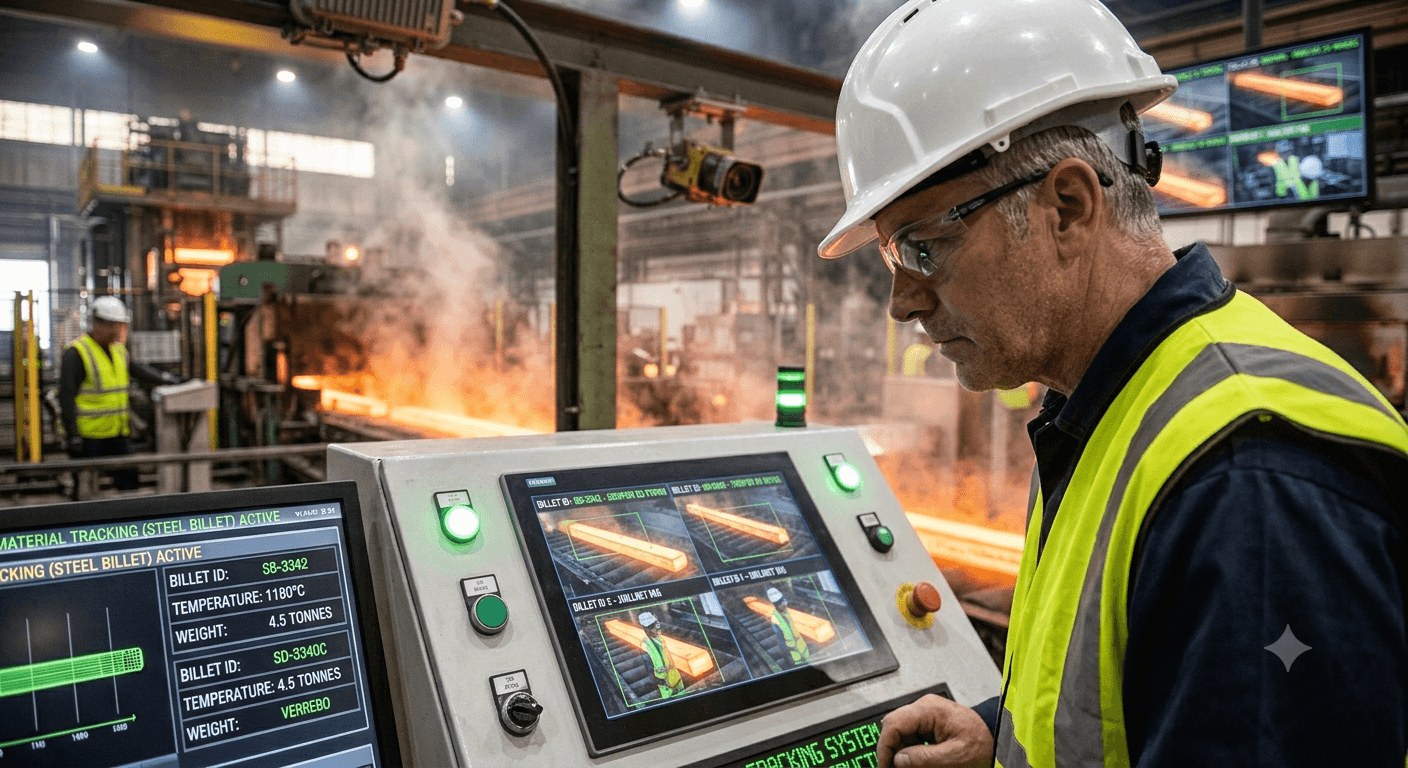
Achieve real-time, automated material tracking across your production line with our AI-powered vision system. Enhance traceability, eliminate manual errors, and drive operational efficiency from raw material intake to finished goods dispatch.
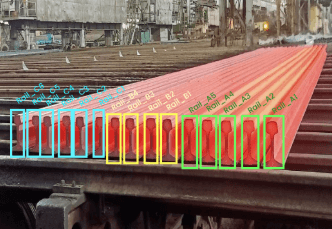
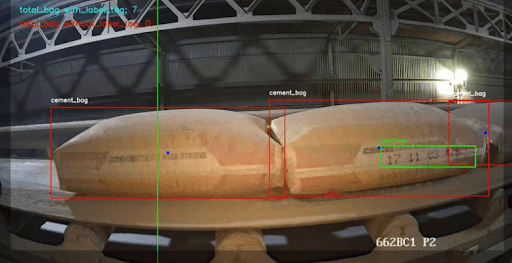
Smart Material Tracking is the material-integrity thread of TAT Guard — the tonne you weigh in is the tonne you dispatch out.
Every capability ships in the box — nothing here is a paid add-on.
 01 of 04
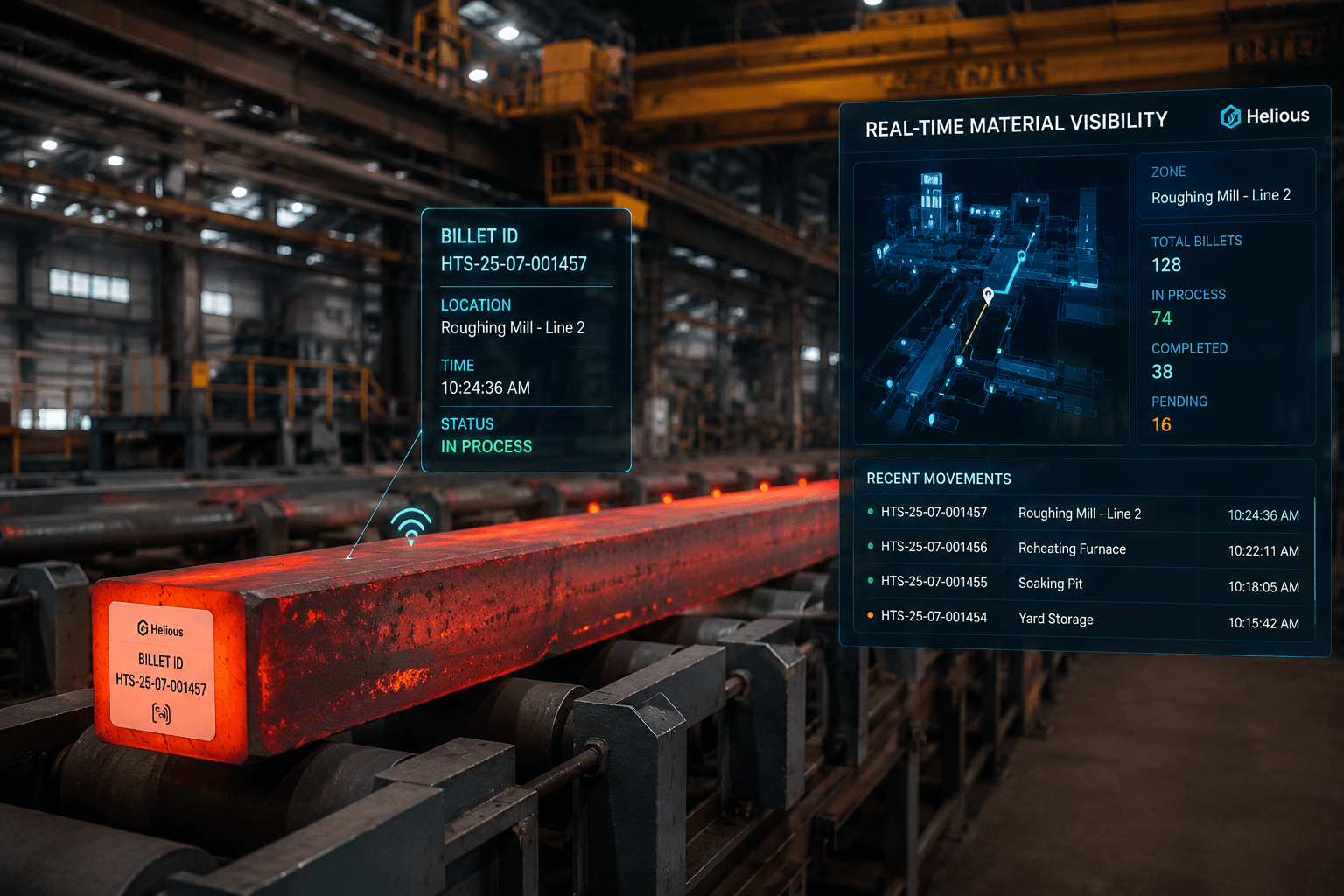
Tracks material movement across every stage of production in real time. Provides complete transparency and helps in better monitoring and control of operations.
 02 of 04
Reduces dependency on manual processes through intelligent automation. Minimizes human errors and ensures accurate material tracking and data capture.
 03 of 04
Speeds up material handling with accurate and automated processes. Improves overall operational efficiency and reduces delays across workflows.
 04 of 04
Generates real-time data and insights for better decision-making. Helps identify inefficiencies and optimize processes for improved performance.

Find answers to common questions about Smart Material Tracking.
Sometimes yes, if the angle and shutter happen to suit. But an existing camera was mounted to see a bay, not to see the seam between two touching bags, and a rolling shutter smears fast bags regardless of resolution. The site survey decides, not the spec sheet.
No. Counting happens wherever bags move through a defined field of view: packer discharge, truck bays, porter chains, wagon loading. That is the practical difference from a belt-mounted sensor, which only counts where the belt is.
Frame rate and shutter are sized to the peak packer discharge rate, not the shift average. The limit is set based on a survey of your fastest line, because a system specified for average flow fails precisely when dispatch is busiest.
Yes, with illumination in place. The model is trained on real industrial footage, dust, backlight, and low light, rather than clean lab data. Without added lighting, any camera-based count degrades after dark
The discrepancy is raised while the vehicle is still inside the gate, with the image record attached. The two measures use different physical principles, so a mismatch is a genuine signal rather than a rounding artefact.
Still have questions?
Contact SupportDeploy AI-powered automation and real-time intelligence to make your industrial processes faster, smarter, and more efficient.
Contact Us