Works alongside

Smart Queue Management System
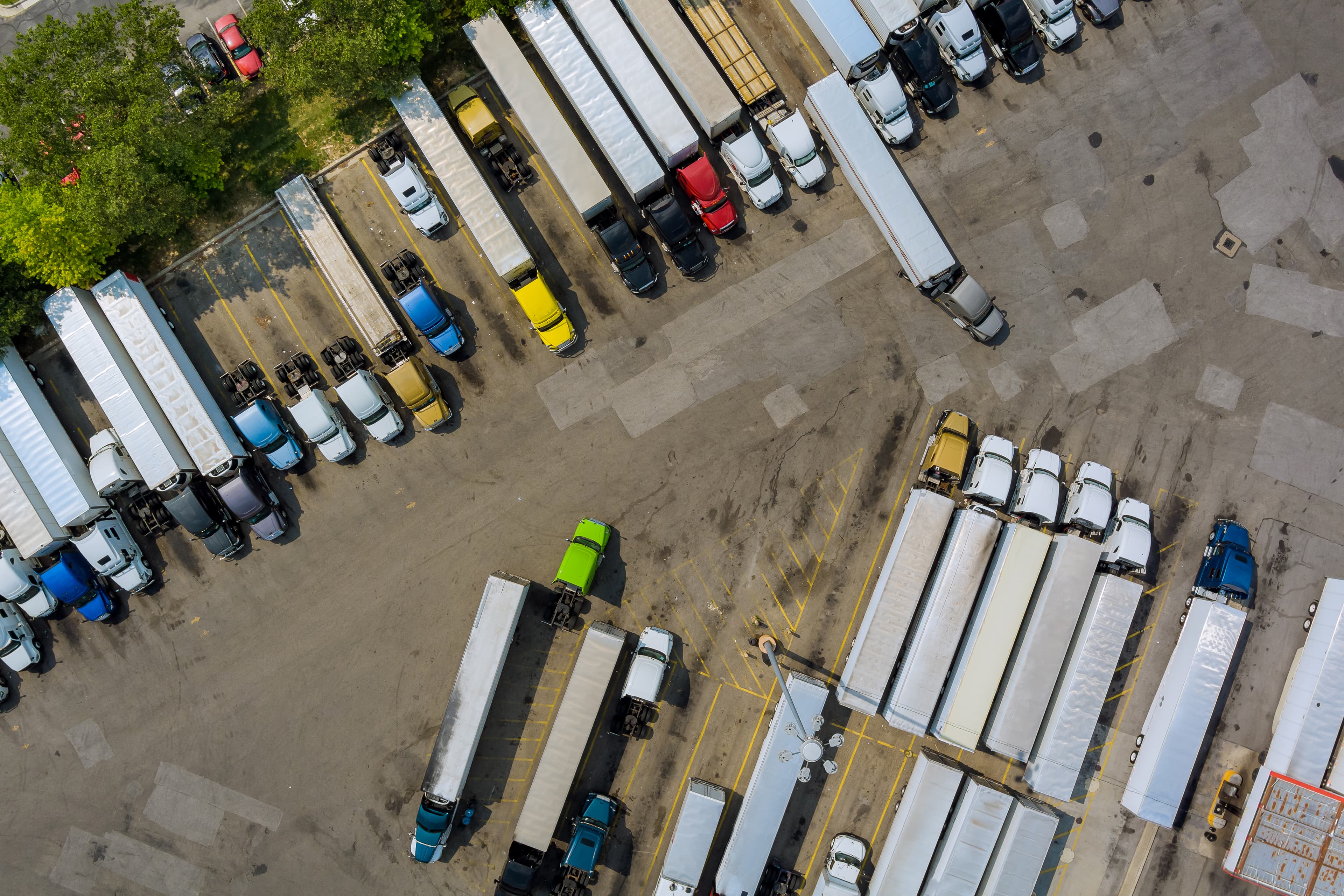
SQMS, the second patent filed in the TAT Guard family, replaces first-come-first-served chaos with AI-driven smart FIFO: every inbound…
View →
~ 45 seconds from wheels-on to boom-up: zero-weight validation, weight-stability check, driver face match, top-view material verification, digital slip, ERP sync. No operator, no manual override, no manipulation window. The load cells you already own remain the physical scale — TAT Guard's camera-native automation layer sits on top of any weighbridge, any brand.
Every capability ships in the box — nothing here is a paid add-on.
 01 of 08
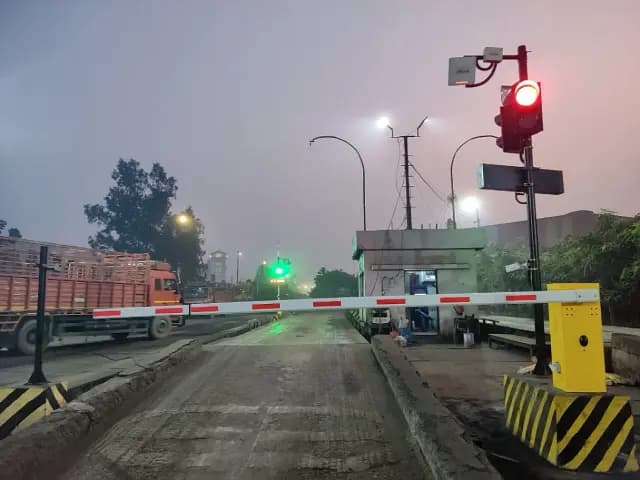
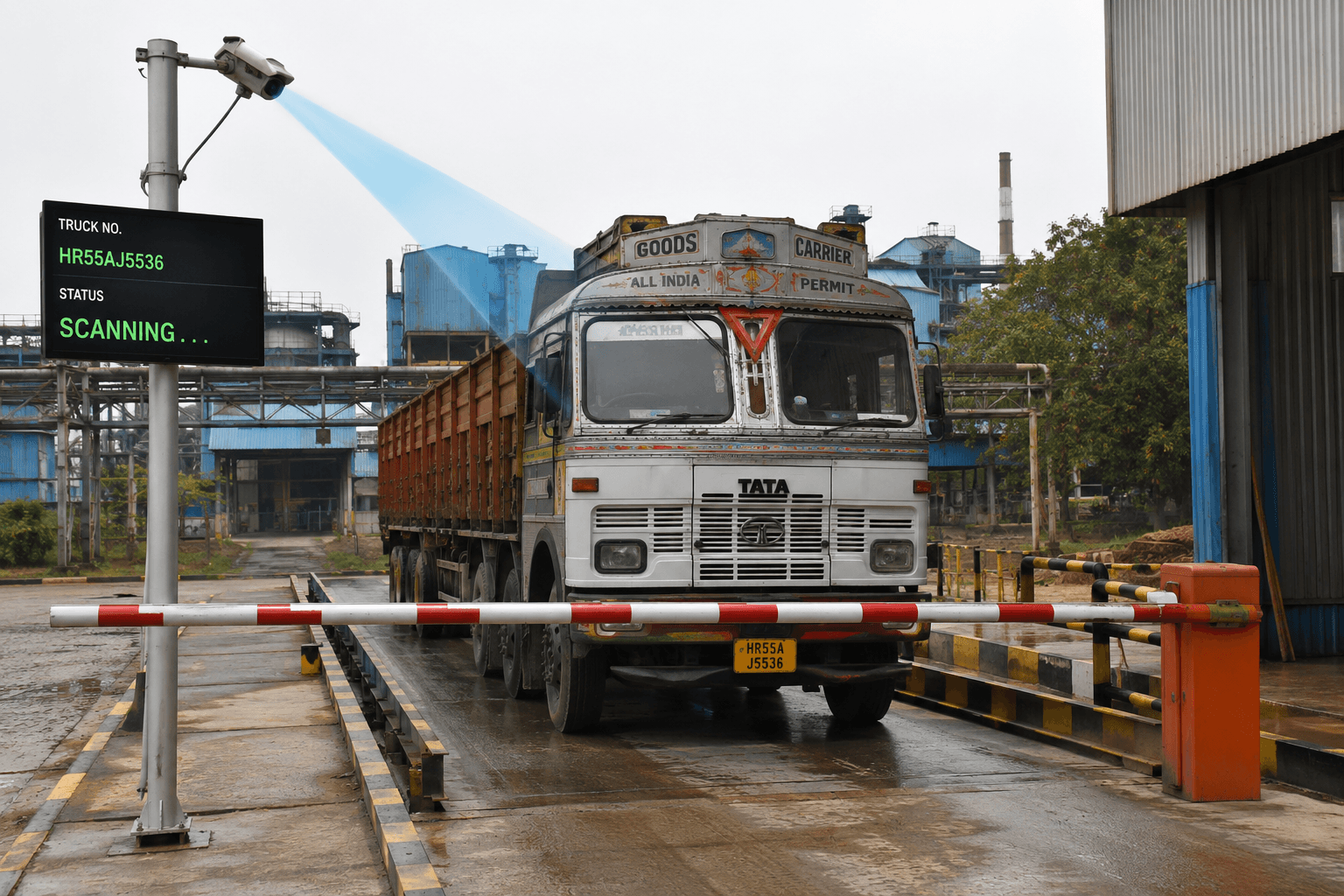
The RFID reader picks up the FASTag on the truck while the ANPR camera independently reads the plate; both must resolve to the same vehicle, so a tag moved between trucks fails instantly. The verified registration then pulls the open order from your ERP — material, expected tonnage, transporter, gate-pass validity. No matching order, no lane release.
 02 of 08
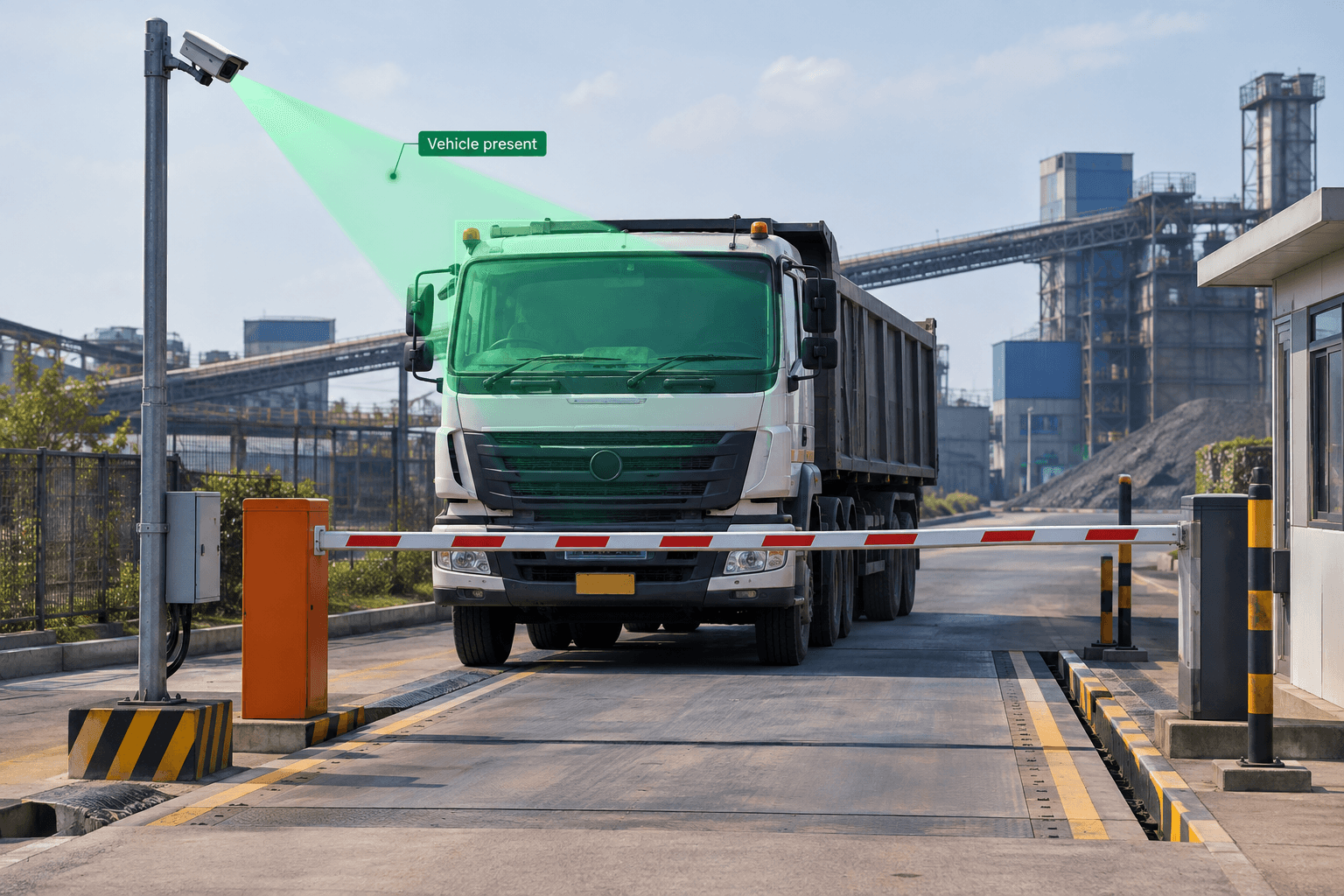
Computer vision confirms an actual vehicle is standing at the barrier before the RFID read is accepted, correct vehicle class, correct position, physically present. A FASTag held in a hand, carried on a two-wheeler, or read from a vehicle that isn't the one at the lane fails this check and the barrier stays down. It closes the gap every tag-based gate leaves open: the tag proves an identity, this proves the truck is behind it.
 03 of 08
Before the barrier releases, the controller reads the indicator directly and confirms the platform has returned to zero and is holding within [±X kg] for [X] seconds. Outside tolerance, the lane locks and a deviation alert goes to the shift supervisor with a timestamped deck image. Catches carried-over spillage, load-cell drift, and the stored-offset trick.
 04 of 08
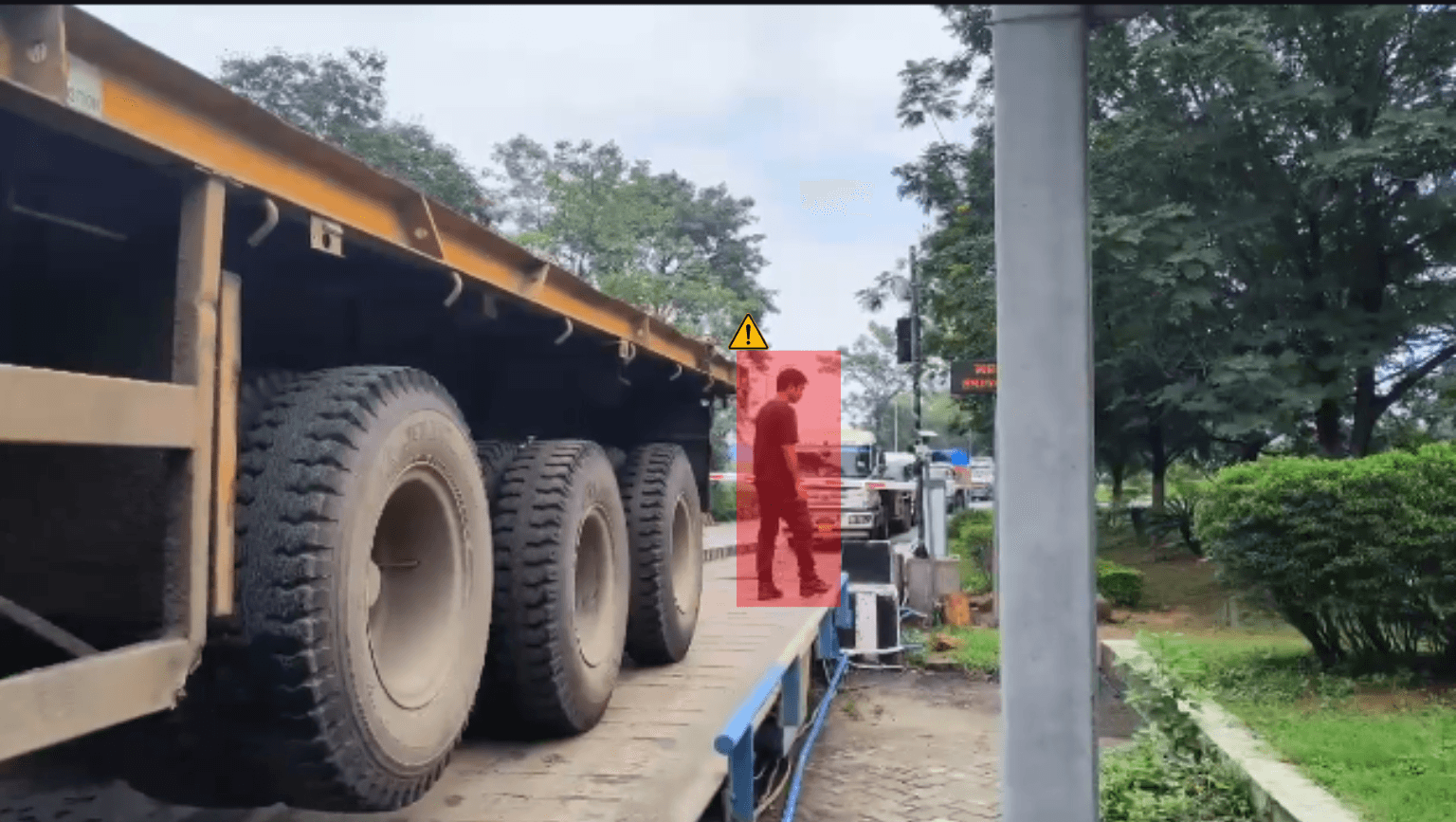
Deck cameras confirm the platform is clear of people before the barrier opens — a safety interlock, and the other half of zero-weight assurance, since a person standing on the bridge is undeclared load on both tare and gross. It also removes the manual override window: physical presence at the deck is what every classic manipulation needs.
 05 of 08
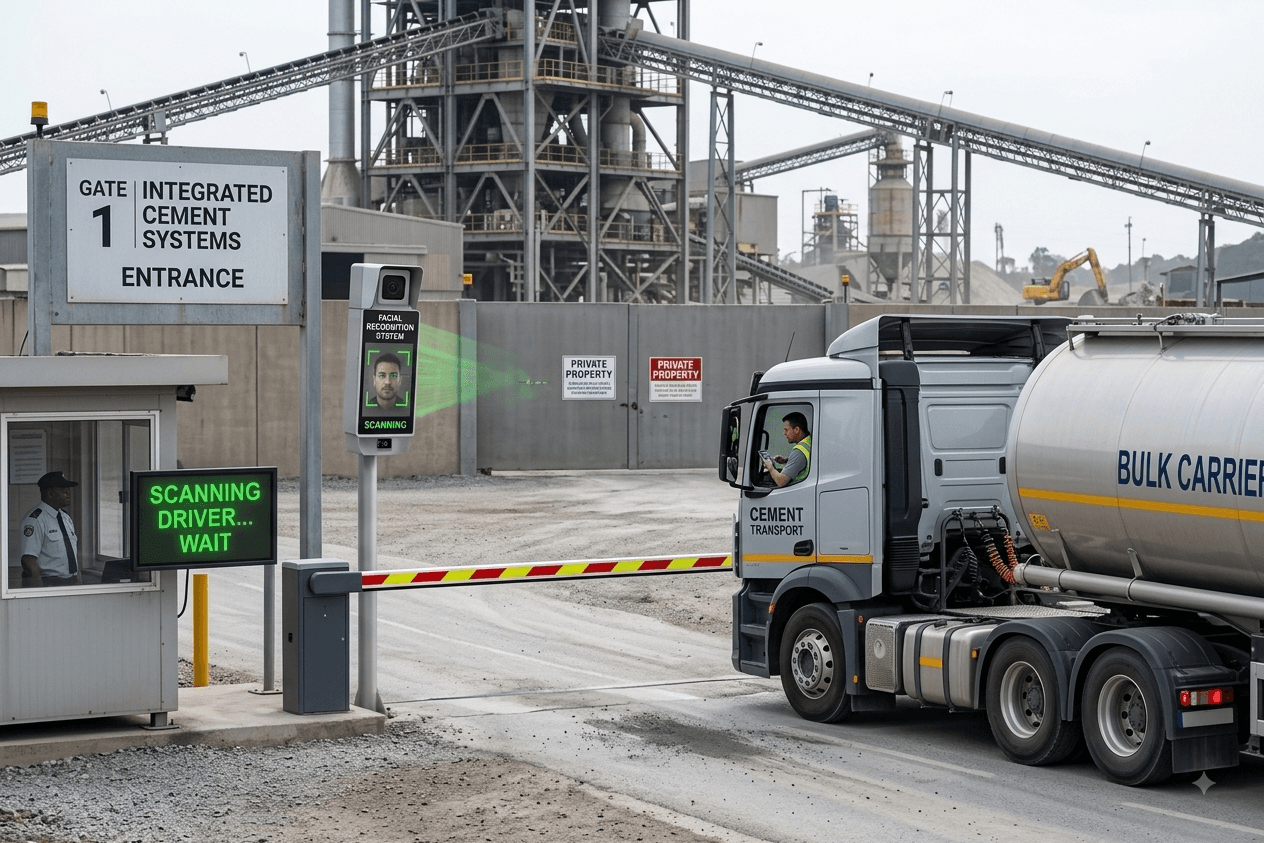
The camera matches the face at the lane against the driver assigned to that consignment, while the licence is validated through DigiLocker for authenticity and expiry. A mismatch, expired licence, or unregistered driver routes an exception to security instead of opening the barrier. Stops driver substitution and unlicensed-driver liability at the gate.
 06 of 08
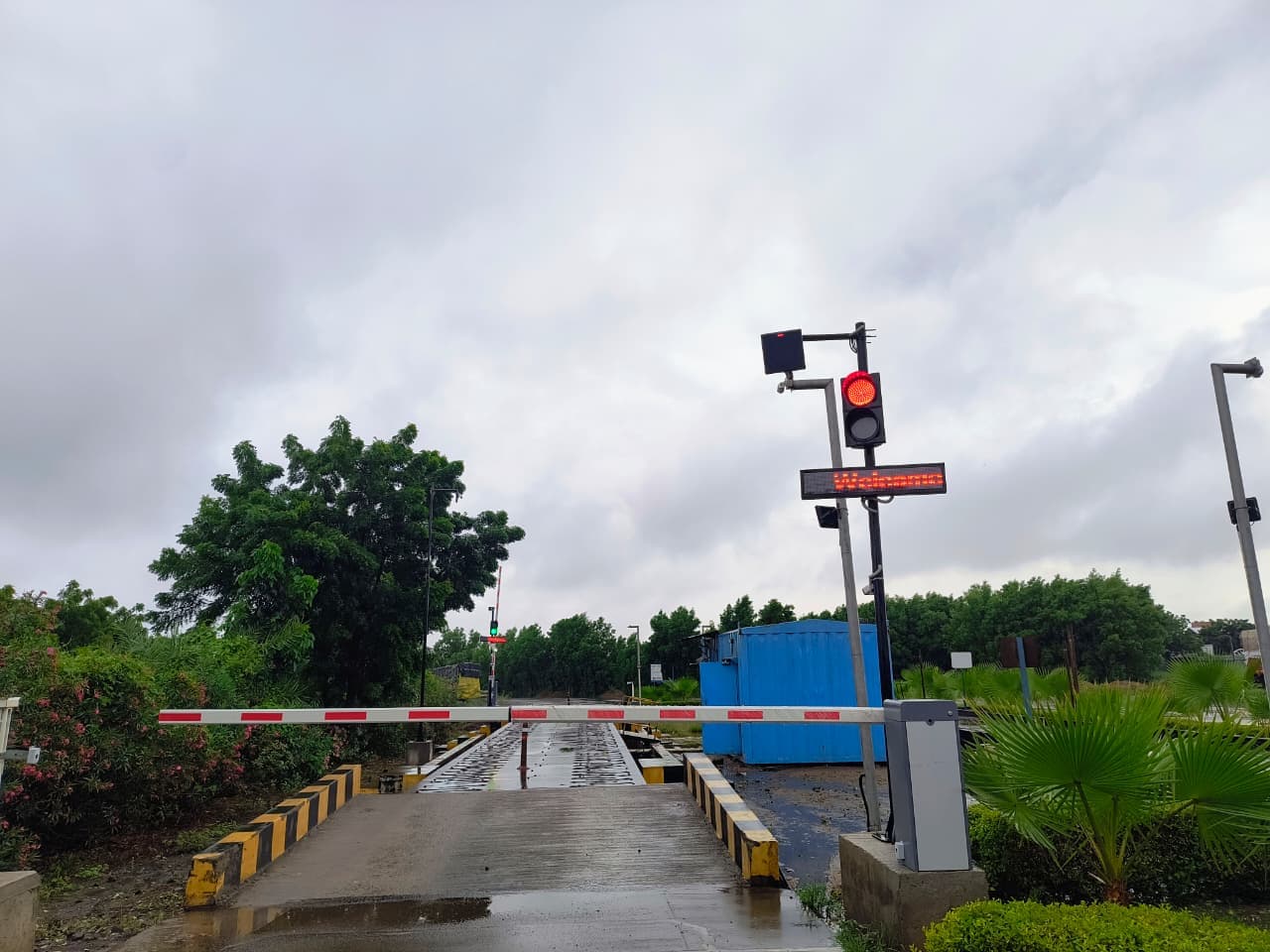
No loop coils, no photocells, no roadside posts to shear off, positioning is done entirely by camera. The AI confirms every axle sits fully inside the platform boundary with no overhang before weight capture begins, so an off-centre reading never becomes a record. Your load cells stay the scale; the fragile sensor layer around them goes.
 07 of 08
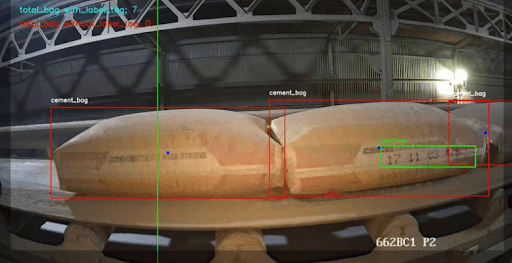
An overhead camera captures the load at weighment and classifies the material against what the ERP order says should be on that truck, and verifies the load is sheeted before clearance. A declared-versus-actual mismatch or an uncovered load raises an exception rather than printing a slip. The timestamped image settles shortage claims later.
 08 of 08
Weight, vehicle number, driver ID, material class, order reference, overhead image and timestamps post straight into your ERP the moment the transaction closes, over [IDoc / BAPI / RFC / REST — confirm]. The slip is generated from that committed record, so paper and system cannot diverge. If the link drops, transactions queue locally and replay — a network outage delays the post, it doesn't lose the weighment.

Find answers to common questions about AI-Unmanned Weighbridge Automation System.
Automatic weighbridge systems deliver the highest ROI in Steel & Iron Manufacturing, Thermal Power Plants (for fast coal unloading), Cement Plants (handling limestone and clinker), and Mining Operations managing bulk ore and mineral transport. Any facility with high truck volumes typically 50+ trucks per day sees immediate productivity gains, reduced wait times, and elimination of pilferage with an AI weighbridge solution.
Zero Weight Validation is an automated pre-transaction check that confirms the weighbridge platform reads exactly zero before any vehicle drives on. This critical safety feature prevents ghost-load errors caused by debris, calibration drift, or deliberate manipulation. It is a key component of Helious's weighbridge accuracy assurance system and helps plants maintain regulatory compliance with Weights & Measures requirements.
Yes. Helious's AI Unmanned Weighbridge integrates seamlessly with SAP, Oracle, and other enterprise ERP systems in real time. Every transaction weight, driver ID, material type, timestamp, and vehicle number is automatically pushed to the ERP, eliminating manual data entry and paper-based errors. This ERP integration for weighbridge management improves data accuracy by up to 100% and enables live operational dashboards.
The Top-View Camera captures real-time overhead images of the vehicle's load at the time of weighing. This visual record is used for material type verification, load integrity monitoring, and anti-pilferage surveillance. The AI engine analyses the image to confirm the declared material matches what is loaded, creating an auditable digital trail that protects against material theft and misrepresentation in logistics operations.
Still have questions?
Contact SupportDeploy AI-powered automation and real-time intelligence to make your industrial processes faster, smarter, and more efficient.
Contact Us