A Conference Centred on the Cost of Movement
The New Delhi edition of FICCI's mining and metals programme put logistics squarely at the centre of the competitiveness debate, and the timing was deliberate. The sessions repeatedly returned to the same structural pressures: heavy dependence on road haulage for bulk commodities, weak first- and last-mile connectivity from mines in remote, difficult terrain, and the growing recognition that freight costs are not a line item but a strategic determinant of whether Indian ore and metal can compete globally.
Held at FICCI Federation House, Tansen Marg, the efficient-logistics agenda organised itself around three questions that matter to every operator in the room: how freight classes and structures are set, how logistics infrastructure, especially first- and last-mile connectivity, can be augmented, and how domestic metals themselves can drive the build-out of ports, rail wagons, and related infrastructure.
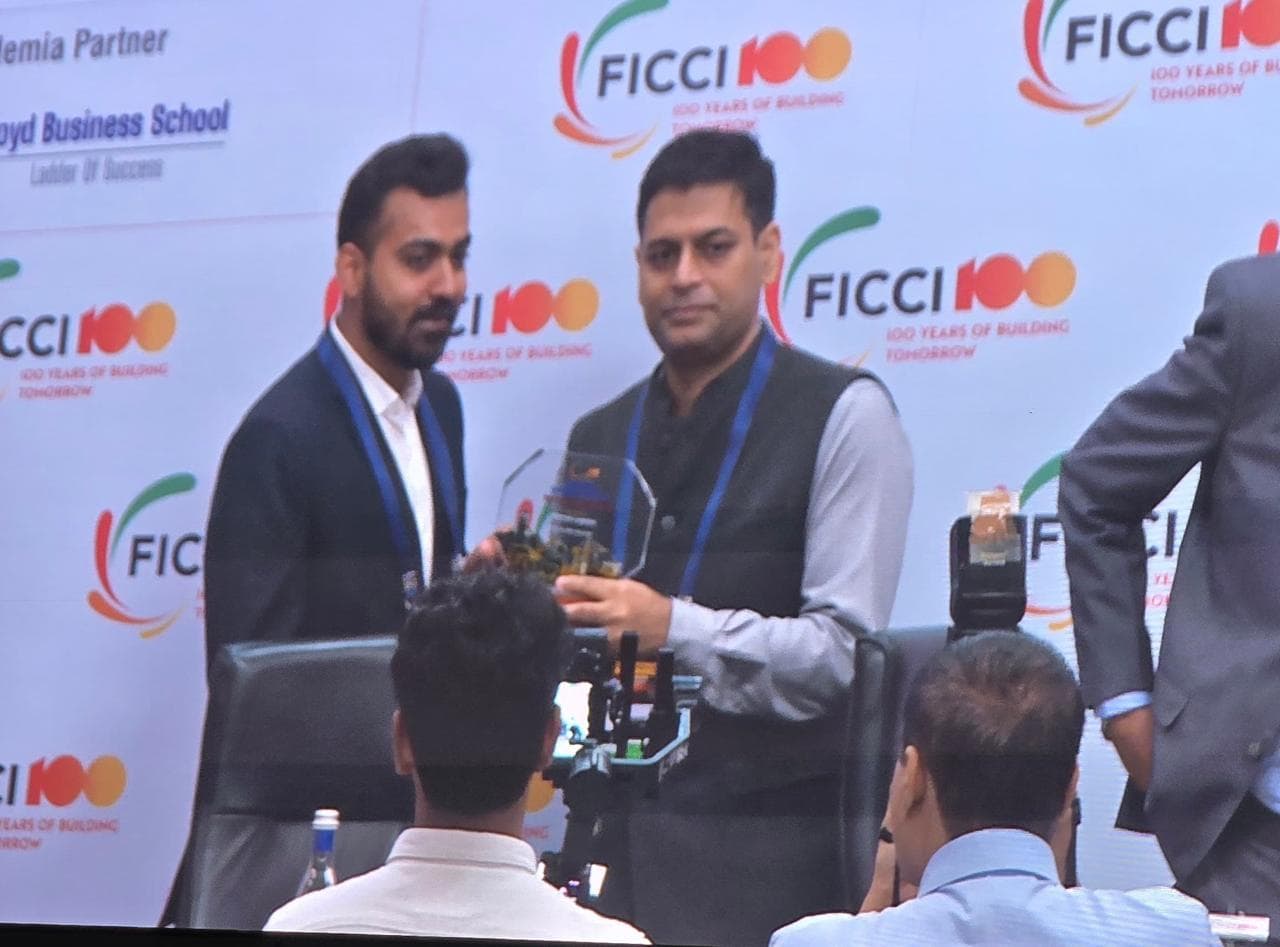
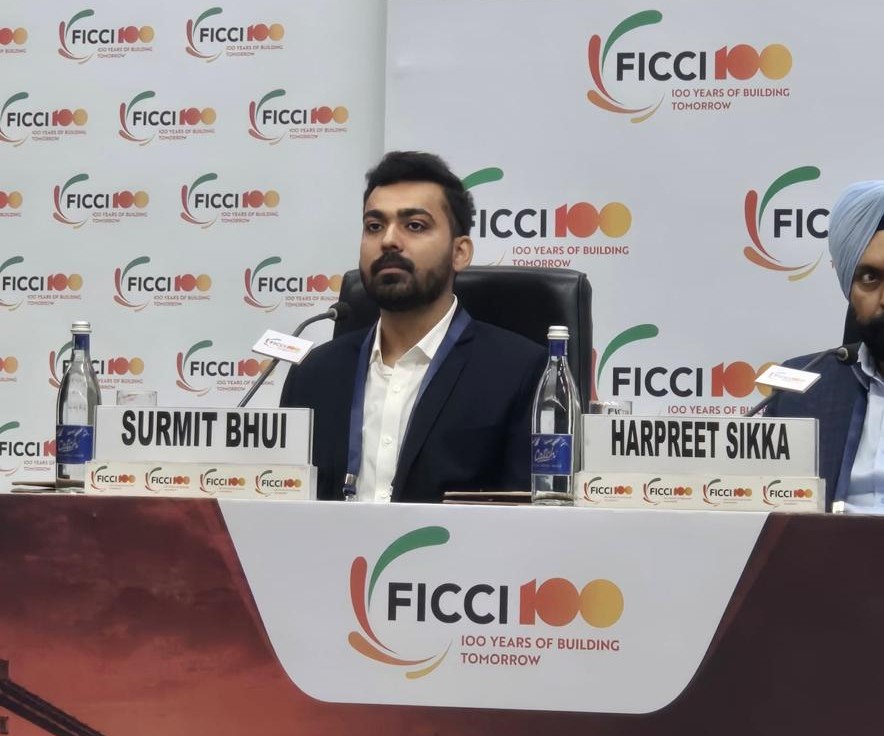
It was against this backdrop that Mr Surmit Bhui, Co-Founder & CTO of Helious Tech Solutions, joined the panel on "Building Blocks for Efficient Logistics Across the Mining and Metals Value Chain," translating the conference's policy ambition into an operational one: what can operators actually do, now, with the assets and data they already have?
Mr Surmit Bhui on the "Building Blocks for Efficient Logistics" Panel
Speaking on the panel, Mr Bhui made the case that the industry's next productivity leap will not come from extracting more, but from moving, measuring, and managing what is already extracted with far greater intelligence. His line of argument:
- The bottlenecks are visible, but the data isn't. Demurrage on rakes, idling trucks at gates and weighbridges, and blind spots across stockyards are well-known cost centres, yet most are still managed on spreadsheets and manual logs. The gap is not awareness; it is real-time, decision-grade data at the point where the cost is incurred.
- AI can be embedded into existing operations, not bolted on. The fastest returns come from instrumenting the movements that already happen — rake dispatch, gate turnaround, weighment — rather than waiting for large-capex infrastructure to arrive.
- Efficiency and traceability are now the same problem. As international buyers and carbon-border frameworks raise the bar on responsible sourcing, tamper-proof, auditable data is becoming a baseline expectation — and the same systems that cut cost also produce that audit trail.
- Lower per-tonne cost and lower per-tonne carbon move together. Reduced demurrage, tighter rake utilisation, and less diesel burn at the gate improve the P&L and the emissions profile in a single motion.
A Word from Our Co-Founder & CTO
"The conversation in Delhi confirmed what we hear on every site we work on: the industry knows exactly where it is losing time and money in logistics — at the rake, at the gate, at the weighbridge, in the yard. What has been missing is not intent but instrumentation. Purpose-built AI, embedded into the movements that already happen, turns those blind spots into decisions and, in the same motion, lowers cost, cuts emissions, and produces the traceable record global buyers now demand. That is exactly what Helious is building for an industry that quite literally moves the country forward."
— Mr Surmit Bhui, Co-Founder & CTO, Helious Tech Solutions
How This Connects to What Helious Builds
The panel's themes map directly onto the systems Helious already deploys across mining, metals, and steel operations:
- Rake Guard — AI-driven rake and railway logistics monitoring for volumes moving mine-to-port and port-to-plant. Reduced demurrage, optimised rake utilisation, and tighter coordination with Indian Railways translate into lower per-tonne logistics cost and a measurably lower carbon footprint per shipment — the first- and last-mile problem, addressed at the rake.
- TAT Guard — intelligent turnaround-time and theft management for the trucks cycling through mine gates, weighbridges, and dispatch yards every day. Less idling, less queuing, less diesel burn, and a cleaner emissions profile at every gate.
- AI-Unmanned Weighbridge Automation System — automating one of the most fraud-prone and bottleneck-prone points in the supply chain. Tamper-proof weighments, faster throughput, and full auditability — precisely what traceability and responsible-sourcing frameworks now require.
- Smart Store (Warehouse Management System) — AI-powered visibility across stockyards, fines storage, and material handling, cutting handling losses, unnecessary movements, and inventory errors across grades.
- Secure Sight (Access Management System) — AI-based access and movement control across premises, weighbridges, and dispatch points, where security, compliance, and audit trails increasingly affect the licence to operate.
The through-line is the one Mr Bhui put to the panel: the sector does not need to wait for the next corridor or the next port berth to become more competitive. A great deal of the gain is already sitting in the assets and movements it has today, waiting to be measured.
Looking Ahead
The conversation in New Delhi reinforced a clear shift: the Indian mining and metals sector is no longer competing on cost and grade alone, but on efficiency, traceability, and trust. Helious Tech Solutions remains committed to equipping miners, logistics players, and integrated producers with the AI-driven systems they need to lead on all three.
Our thanks to FICCI, the fellow panellists, and every delegate who took part in the discussion. The priorities set out in Delhi will continue to shape our roadmap, and we look forward to building alongside the industry.