Quick Summary
A wagon number OCR system that reads well in a vendor demo can struggle on a coal-dusted rake at 2 a.m. in the monsoon. This article explains how a wagon number detection system works, what dust, rain and darkness do to read accuracy, how accuracy should be measured, and what to ask before trusting a vendor's numbers.
Introduction
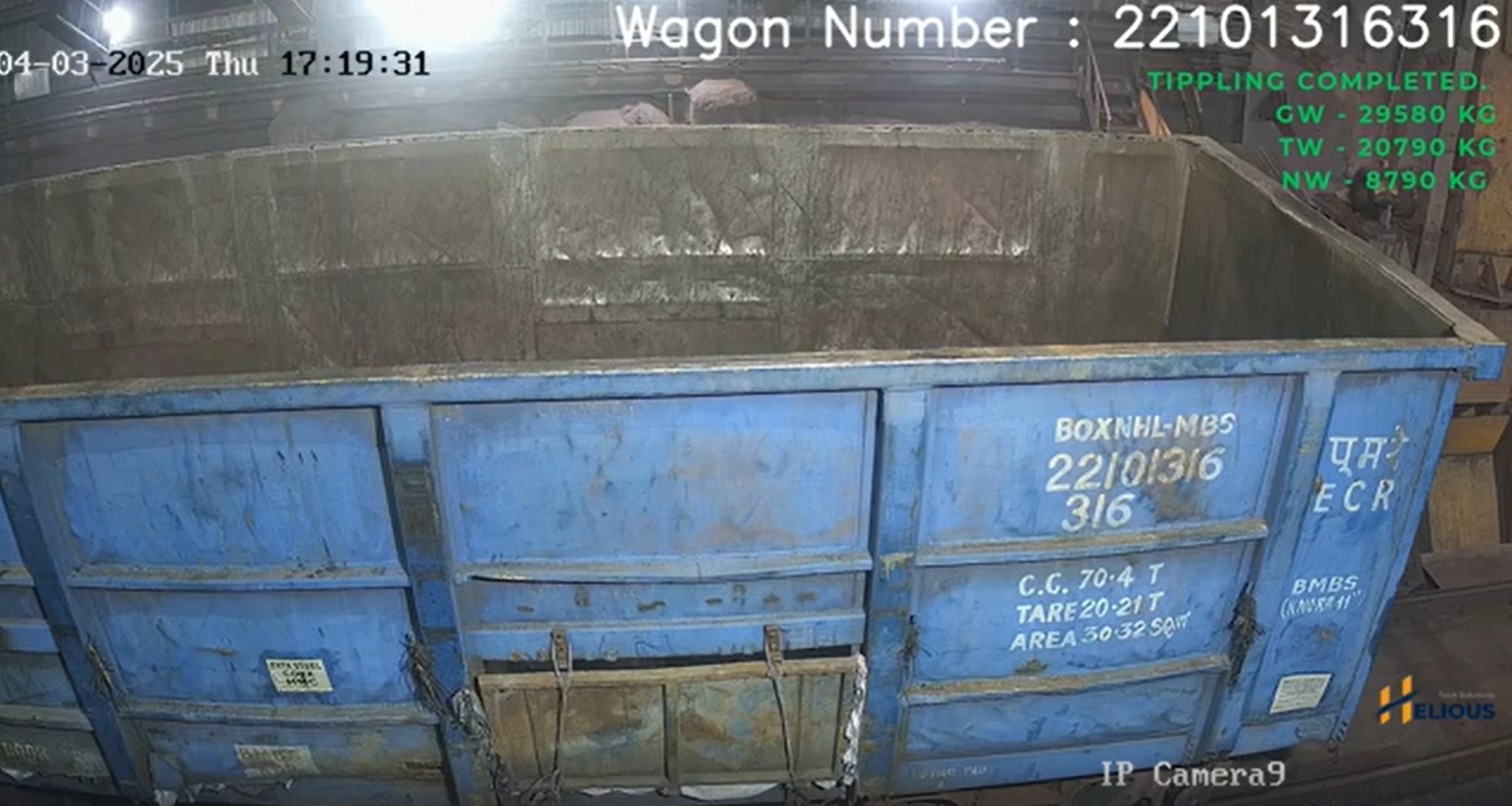
Ask a siding supervisor where rake unloading loses time, and wagon identification rarely comes up first. It should. Before a wagon is tippled, weighed or reconciled against railway documents, someone has to confirm which wagon it is. On many sidings, that still means a person with a torch and a notepad walking the rake. They read stencilled 11-digit numbers off wagon sides that are faded, rusted, overpainted or caked in coal and iron-ore dust.
Automating this with cameras and OCR sounds simple. It isn't. The conditions that slow down manual reading are the same ones that degrade machine reading: dust, rain, darkness and moving wagons. That is why the headline accuracy figure on a brochure tells you very little. What matters is how accuracy is defined, under which conditions it was measured, and what the system does when it isn't sure.
For anyone evaluating rake management software in India, this question deserves attention. Every later step (weighment, tippler sequencing, demurrage reconciliation) inherits any error in the first read.
How a Wagon Number Detection System Works
A typical wagon number detection system runs in four stages:
- Capture: Cameras at the siding entry or tippler approach photograph each wagon side as the rake moves past, often from both sides of the track.
- Localisation: A detection model finds the number region on the wagon body. Its position varies by wagon type, repaint history and stencil placement.
- Recognition: OCR reads the characters, usually across several frames per wagon.
- Validation: Each result is checked against rules and reference data before it is accepted.
The fourth stage is what separates a usable system from a demo. Indian Railways wagon numbers follow a structured 11-digit format that ends in a check digit, so many single-character misreads can be caught mathematically.
A rake also differs from a truck at a gate: it arrives with a known composition from the railway documents. Siding OCR doesn't have to recognise an unknown number from scratch. It can verify each read against an expected wagon list and flag anything that doesn't match.
What Dust, Rain and Night Actually Do to OCR
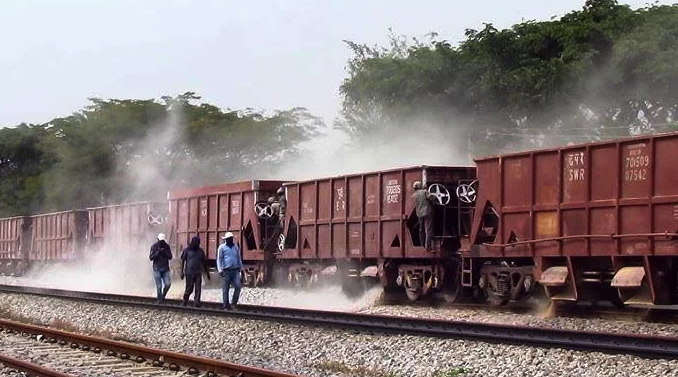
Dust
Dust hits two surfaces at once: the camera lens and the wagon. At tippler complexes and coal-handling sidings, fine particulate settles on camera housings within a shift. The wagon face may be so coated that the stencil barely contrasts with the paint.
Lens contamination is dangerous because it degrades reads gradually. Nobody notices until accuracy has been slipping for days. Protective housings, air-purge or wiper arrangements, and a disciplined cleaning schedule matter as much as the recognition model.
Rain
Rain adds a water film on the wagon, droplets on the enclosure glass, and reflections off wet steel. Characters bleed, contrast drops, and reflections can be misread as strokes. Hoods and angled mounting reduce the problem but don't remove it. Reading several frames per wagon and combining them helps, because a droplet that blocks one frame often clears in the next.
Night Shifts
Darkness is the easiest condition to engineer for and the one most often under-engineered. Wagons are moving, so exposure must be short to avoid motion blur. That requires strong, controlled lighting, usually infrared or dedicated white-light units timed with the camera.
Locomotive headlights and yard floodlights also create glare that changes through the night. A system tuned during daytime commissioning can behave very differently at 3 a.m.
The Wagon Itself
Wagon condition often matters more than weather. Common problems include:
- numbers half-painted over
- old numbers still visible beside new ones
- dents, rust streaks and patched panels
No camera can read a number that isn't legibly there. The honest design response is to recognise when a read is unreliable and send it to a person instead of guessing.
What Accuracy Actually Looks Like
A single headline accuracy figure can hide three different things.
Per-character vs per-wagon accuracy. Reading 99.5% of characters correctly sounds excellent. But a wagon number has 11 characters, so the chance of getting all eleven right is 0.995^11, roughly 94.6%. On a BOXN rake of around 58 wagons, that works out to about three wagons per rake with at least one wrong character before validation. This is illustrative arithmetic, not a measured figure, but it shows why a per-character claim isn't enough.
No-reads vs misreads. A no-read means the system admits it couldn't read the number, and it costs a few seconds of human review. A misread means the system confidently records the wrong number. That corrupts weighment and reconciliation records and may not surface until a dispute. A system with a slightly lower read rate but almost no confident misreads is usually the better operational choice.
Conditions of measurement. Accuracy measured on clean wagons in daylight during commissioning is not accuracy on a monsoon night. Ask for figures broken down by shift, weather and wagon type, measured on your own siding against manually verified ground truth.
The realistic goal isn't zero human involvement. A good system reads most wagons automatically and validates them against the expected rake list. It then hands one person a short, clearly flagged exception list instead of sending them to walk the whole rake.
Why the First Read Sets the Ceiling
For AI rail logistics at a steel plant, wagon identity is the key that every other record depends on:
- The in-motion weighbridge attaches each gross weight to a wagon number.
- Wagon health detection attaches bulged or damaged flags to a wagon number.
- Wagon tippler automation sequences and logs each cycle by wagon number.
- FOIS reconciliation compares all of it, wagon by wagon.
A misread doesn't stay a misread. It becomes a weight recorded against the wrong wagon, a health alert on the wrong asset, and a reconciliation gap that someone spends hours chasing.
Questions to Ask Before You Buy
- Is accuracy reported per wagon, with no-reads and misreads counted separately?
- Are reads validated against the check digit and the expected rake composition?
- What happens to low-confidence reads: are they guessed, or sent for review?
- Where and how was night and monsoon performance measured?
- What does camera cleaning and maintenance involve at a dusty tippler?
- Can the system be piloted on your own siding before you commit?
How Helious Rake Guard Connects Wagon Identity to the Rest of the Rake Cycle
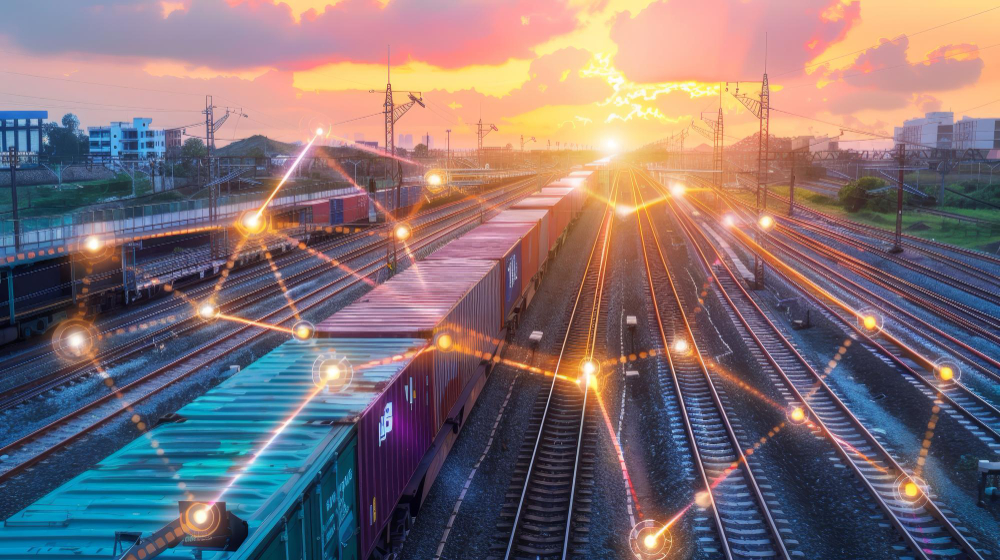
Rake Guard, the rake management application from Helious Tech Solutions, treats wagon identity as one link in a chain rather than a standalone read. Each stage cross-checks the one before it. The modules below come straight from the Rake Guard product page:
- Live Rake Tracking and FNR Verification: Pulls rake position from Indian Railways' FOIS and checks the FNR against consignment data before the rake arrives. This gives the siding an expected composition to verify wagon reads against.
- Wagon Health and Bulged Wagon Detection: Flags deformed wagons on approach and diverts them before they jam inside the tippler and stop the line.
- Tippler and Hopper Allocation: Reads rake composition, tippler availability, material type and hopper status in real time to assign each wagon's path. Camera-based alignment checks and blockage detection keep unloading moving.
- Wagon Tippler Automation System: Controls the position–tip–reset cycle with AI logic. Cameras inspect the wagon bed after each tip and trigger a re-tipple if material remains. A camera-based check confirms no person is present before every cycle.
- Wagon-Wise In-Motion Weighing and Reconciliation: Captures gross weight per wagon, routes tare automatically, and validates the net weight against ULIP-FOIS. Mismatch alerts and digital slips replace month-end spreadsheet arguments.
For how identification errors turn into cost, see our guide on railway demurrage and wharfage calculation in India.
Conclusion
Wagon number OCR works in dust, rain and darkness only when it is engineered for those conditions and measured honestly. A single accuracy percentage can't tell you that. Look for per-wagon read rates split by shift and weather, misreads counted separately from no-reads, and validation against the check digit and the expected rake list. Just as important is a clear exception path for wagons no camera can read. Get the first read right, and weighment, tippling and reconciliation have something reliable to build on.